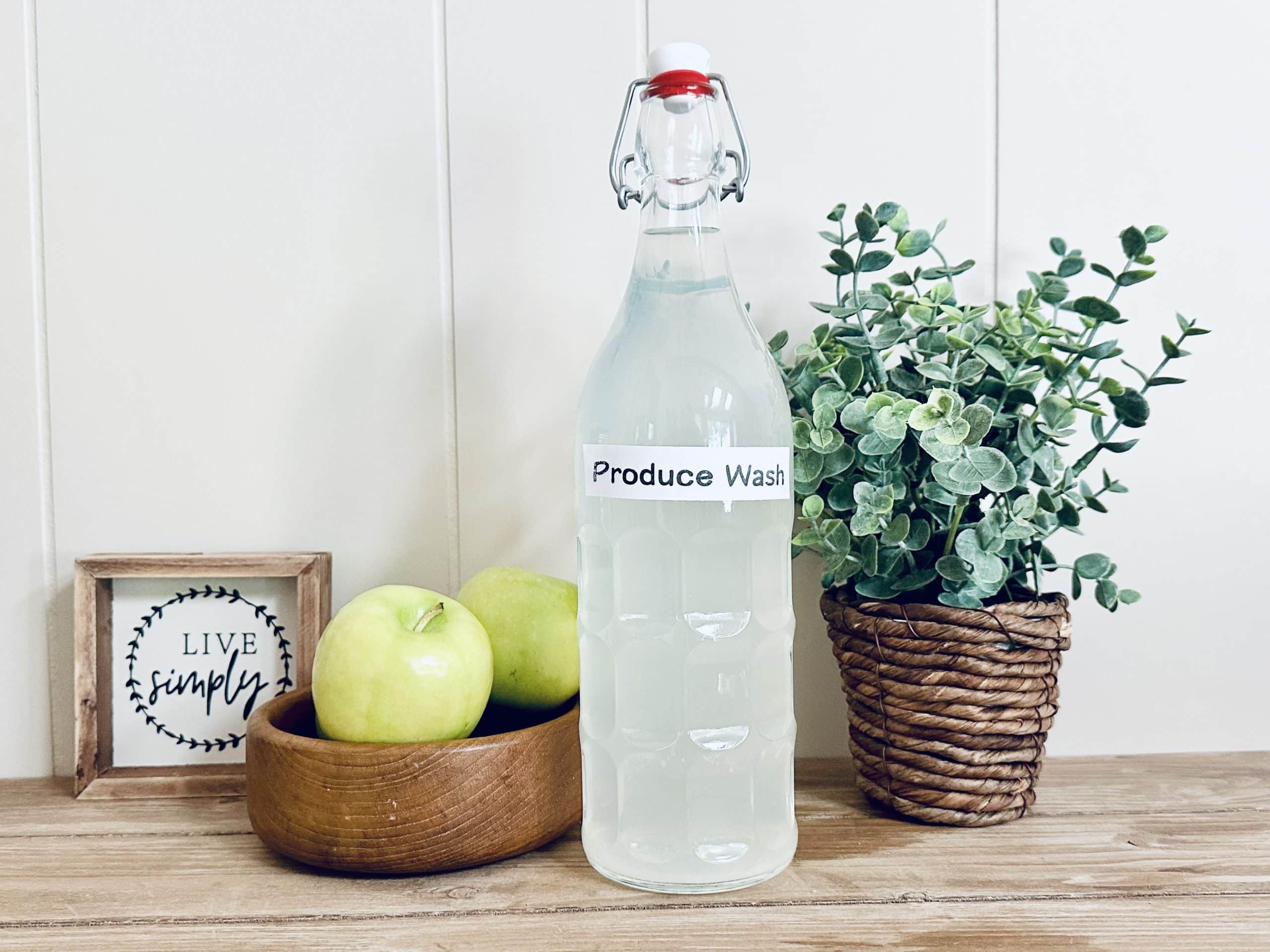
Why Your Produce Needs More Than Just a Rinse (and Why Store Sprays Fall Short)
In a world increasingly conscious of healthy eating, fresh fruits and vegetables are cornerstones of our diets. Yet, simply rinsing them under tap water might not be enough to remove the invisible contaminants lurking on their surfaces. From pesticide residues to waxes, dirt, bacteria, and even handling microbes, our produce often carries more than we bargained for. While the allure of organically grown produce is strong, it's not always accessible or affordable for everyone. Even when you do opt for organic, a thorough cleaning is still essential to ensure optimal hygiene.
Many consumers turn to expensive store-bought produce washes, hoping for a magic solution. However, these products often come with a hefty price tag, offering little more than what you can achieve with simple, natural ingredients you likely already have in your pantry. It’s truly astounding how much these "natural" cleaning products cost when a highly effective,
DIY produce wash can be made for mere pennies. Forget shelling out $4-5 for a bottle that lasts only a few washes; a
homemade produce wash recipe offers a significantly more frugal alternative that is both superior in cleaning power and gentler on your wallet.
The Simple Science Behind a Superior Homemade Produce Wash
The secret weapon in your
diy fruit and vegetable wash arsenal is plain white vinegar. This household staple is an unsung hero when it comes to cleaning produce, thanks to its acetic acid content. The acid in vinegar isn't just a natural disinfectant; it actively works to kill bacteria, which can contribute to spoilage and foodborne illness. More impressively, it helps to dissolve the waxy coatings and pesticide residues that are commonly found on the skins of many fruits and vegetables. These waxes are often applied to improve appearance and extend shelf life, but they can trap chemicals and dirt underneath.
"I know this works," is a common refrain among those who've adopted this method, and for good reason. After soaking your produce, you'll often observe visibly dirty water, a stark testament to the grime that ordinary rinsing leaves behind. Apples and grapes, for instance, often emerge with a slight white sheen where the shiny wax had been, confirming the vinegar's efficacy in stripping away unwanted layers. Beyond just cleanliness, this simple solution offers an added bonus: it can help certain fruits and vegetables last longer, particularly delicate berries, by eliminating mold spores and bacteria that accelerate spoilage. This means not only are you eating healthier, but you're also reducing food waste – a win-win for your health and your budget.
Your Comprehensive DIY Produce Wash Recipe & Method
Creating your own
homemade produce wash is incredibly straightforward, requiring minimal effort and common kitchen supplies. Here’s how to do it for various types of produce:
General Soaking Method for Sturdy Fruits & Vegetables
This method is ideal for heartier produce like apples, oranges, grapes, bell peppers, cucumbers, potatoes, and other firm-skinned items.
- Prepare Your Basin: Begin by ensuring your kitchen sink is thoroughly clean, or place a large, clean mixing bowl in the sink.
- Add Produce & Water: Place the fruits and vegetables into the basin. Avoid overcrowding; if you have a large quantity, wash in batches. Cover the produce completely with cold water.
- Introduce Vinegar: Add 1 to 2 cups of plain white vinegar to the water. The exact amount can vary based on the volume of water and produce, but a good rule of thumb is roughly 1 part vinegar to 4-5 parts water.
- Soak Time: Allow the produce to soak for 10 to 15 minutes. During this time, the vinegar will work its magic, breaking down residues and killing bacteria. If some items, like apples, float to the top, gently swirl them around in the water and rub with your fingertips for a few moments to ensure all surfaces are exposed to the solution.
- Thorough Rinse: After soaking, drain the dirty water and rinse all produce exceptionally well under cold running water. This step is crucial to remove any residual vinegar taste. Don't worry, with a good rinse, your produce will taste fresh and clean, not vinegary.
Gentle Care for Delicate Greens (Lettuce, Spinach, Kale)
Leafy greens require a slightly gentler approach to prevent bruising and wilting.
- Quick Soak: Place your lettuces, spinach, kale, or other greens in a clean sink or large bowl filled with cold water and approximately 1 cup of white vinegar. Swirl them gently.
- Short Soak Time: Soak greens for only 1 to 2 minutes. Their delicate structure doesn't require a long soak, and prolonged exposure could lead to them becoming waterlogged.
- Rinse Meticulously: Rinse the greens very well under cold water, ensuring all vinegar solution is removed.
- Dry Thoroughly: Proper drying is paramount for extending the life of your greens. Use a salad spinner to remove excess water, or gently pat them dry with clean paper towels.
- Smart Storage: Store dried greens in airtight containers lined with paper towels, or in resealable bags with all the air pressed out. The paper towels absorb residual moisture, preventing premature spoilage. Never store greens wet, as this dramatically shortens their shelf life.
Berries: The Delicate Powerhouses (Strawberries, Blueberries, Raspberries)
Berries are notorious for molding quickly, but a vinegar wash can dramatically extend their freshness.
- Bowl Method: Place berries in a large mixing bowl. Cover them with cold water and add about 1 cup of white vinegar.
- Gentle Swirl & Soak: Gently swirl the berries around with your hands, ensuring they are all exposed to the solution, as they tend to float. Let them soak for about 5 minutes. The vinegar and water solution is excellent at destroying bacteria and mold spores, which are common culprits in berry spoilage.
- Drain & Rinse: Carefully drain the water off the berries using a colander. Rinse them thoroughly under cold running water.
- Careful Drying: This is where care is needed. Spread the rinsed berries out on a clean towel or several layers of paper towels and gently pat them dry. For more delicate berries like raspberries or blackberries, consider letting them air dry on a clean towel to avoid crushing them. Alternatively, a salad spinner lined with a few paper towels can work wonders for drying without mushing.
- Optimal Storage: Once mostly dry, transfer them to a paper-towel-lined airtight container and store them in the refrigerator. Many users report berries lasting anywhere from one to two weeks using this method, a significant improvement over their typical short shelf life.
Quick Clean Spray Solution for Everyday Use
For those times when a full soak isn't practical, or for quickly cleaning individual items, a spray solution is a handy alternative.
- Simple Recipe: Combine 3 parts water with 1 part plain white vinegar in a clean spray bottle.
- Application: Spray the fruit or vegetable thoroughly, ensuring all surfaces are coated.
- Wait & Rinse: Let the solution sit for a few minutes (3-5 is usually sufficient) to allow the vinegar to work. Then, rinse the produce very well under cold running water before consuming or storing.
Beyond Clean: Added Benefits of Pre-Washing Your Produce
Adopting a routine of pre-washing your produce with a
homemade produce wash extends far beyond just cleanliness. It’s a holistic approach to healthier eating and smarter kitchen management.
Firstly, the extended longevity of your fruits and vegetables is a major benefit. By eliminating mold spores and bacteria that cause spoilage, especially from berries and greens, you can significantly reduce food waste and save money. Imagine fresh berries lasting two weeks instead of just a few days! This makes meal planning and grocery shopping more efficient, as your produce stays fresh longer. This also connects well with how
vinegar fruit wash can keep your produce cleaner and healthier.
Secondly, you're actively ensuring a healthier meal for yourself and your family. Removing chemical residues, waxes, and pathogens means you're consuming produce in its purest, safest form. This peace of mind is invaluable, especially when feeding young children or individuals with compromised immune systems.
Lastly, pre-washing makes healthy eating incredibly convenient. Having a bowl of sparkling clean grapes, apples, or ready-to-use salad greens in the fridge makes throwing together snack trays, last-minute salads, or quick healthy sides effortless. It removes the barrier of "I have to wash it first," encouraging you to reach for fresh produce more often. This small step in your kitchen routine can lead to significant improvements in your overall diet and reduce reliance on less healthy, processed snacks.
Embrace the Homemade Difference
The evidence is clear: a
diy fruit and vegetable wash made with simple white vinegar is not only dramatically cheaper than any store-bought alternative but also demonstrably better at cleaning your produce. By effectively removing pesticides, waxes, dirt, and bacteria, it safeguards your health, extends the shelf life of your food, and simplifies your meal preparation. So, the next time you're faced with a basket of fresh produce, skip the expensive sprays. Reach for the humble bottle of vinegar and experience the homemade difference for yourself. Your wallet and your health will thank you.