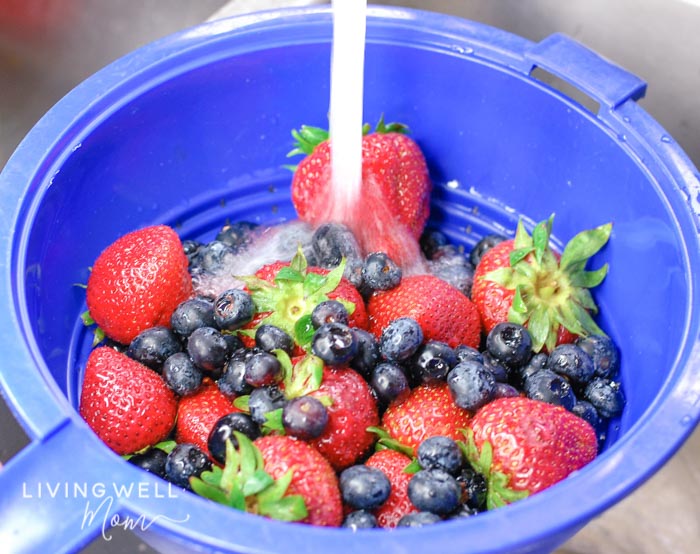
Vinegar Fruit Wash: The Secret to Cleaner, Healthier Produce
In our pursuit of a healthier lifestyle, we meticulously select fresh fruits and vegetables, knowing they are vital for our well-being. But have you ever considered what truly accompanies that vibrant produce from farm to fork? A quick rinse under the tap might seem sufficient, yet the reality is often far grimmer. Pesticide residues, invisible waxes, dirt, and even bacteria can cling stubbornly to your produce, defying a simple water wash. While the ideal scenario might involve growing your own garden or exclusively purchasing organic, these options aren't always accessible or affordable for everyone. This is where the humble, yet mighty, vinegar fruit wash steps in as a game-changer, offering an incredibly effective, economical, and natural solution to ensure your food is truly clean.
Why Your Produce Needs More Than Just Water (and Why Vinegar is the Answer)
Modern agriculture, unfortunately, often relies on an array of chemicals to protect crops from pests and diseases. These pesticides, along with food-grade waxes applied to many fruits and vegetables (like apples, cucumbers, and bell peppers) to enhance appearance and extend shelf life, are not easily removed by water alone. Even organic produce, while free from synthetic pesticides, can still harbor soil, microbes, and residues from handling during transit. This is where the science behind a diy fruit and vegetable wash with vinegar shines.
Plain white vinegar is a powerful natural cleanser, thanks to its acetic acid content. This acid acts as a formidable agent against various contaminants:
- Kills Bacteria: Vinegar's acidity is highly effective at destroying common foodborne bacteria like E. coli and Salmonella, significantly reducing your risk of illness.
- Dissolves Wax: The acid helps break down the waxy coatings that trap pesticides and dirt, allowing them to be more easily rinsed away. You'll often see a cloudy residue in the water after soaking, a clear sign that the vinegar is working its magic.
- Removes Pesticide Residues: By dissolving waxes and altering the chemical structure of some residues, vinegar helps dislodge pesticides from the surface of your produce.
The proof of its efficacy is often visual: after a vinegar soak, you'll observe visibly dirty water, sometimes even a slight white film on what were once shiny apples or grapes, indicating the removal of wax. Beyond just cleanliness, this simple DIY Produce Wash: Remove Pesticides & Make Fruit Last Longer can help certain fruits, especially berries, last longer in your refrigerator by eliminating mold spores and bacteria that accelerate spoilage. It's a frugal alternative that offers peace of mind and healthier eating.
The Simple DIY Fruit and Vegetable Wash Recipe: Step-by-Step
Adopting a homemade produce wash recipe into your routine is surprisingly simple and requires minimal effort. Here’s how to get started with the basic method:
- Prepare Your Basin: Begin by ensuring your kitchen sink is thoroughly clean, or place a large, clean mixing bowl inside the sink. Hygiene is key!
- Add Produce and Water: Place your fruits and vegetables into the clean sink or bowl. Avoid overcrowding, as this can hinder proper washing. Cover the produce completely with cold water.
- Introduce the Vinegar: For a standard wash, add 1 to 2 cups of plain white vinegar to the water. The exact amount can vary slightly depending on the volume of water and produce.
- Soak Time: Allow the produce to soak for 10 to 15 minutes. During this time, the vinegar gets to work breaking down contaminants. If some items like apples tend to float, periodically swirl the water and gently rub the surface of the floating produce with your fingertips to ensure even contact.
- Rinse Thoroughly: After soaking, drain the dirty water. Rinse your produce very well under cold running water to remove any lingering vinegar taste and dislodged residues. Don't worry, a good rinse will leave no vinegary flavor behind!
Specialized Care for Delicate Produce
While the general method works for most fruits and vegetables, some delicate items require a gentler touch:
Lettuces and Other Greens
For leafy greens, a prolonged soak can lead to wilting. Instead:
- Short Soak: Soak greens for only 1 to 2 minutes in the vinegar and water solution.
- Thorough Rinsing: Rinse them very well under cold water.
- Dry Completely: It's crucial to dry greens thoroughly before storing. Use a salad spinner or gently pat them dry with clean paper towels. Storing wet greens will drastically reduce their shelf life. Once dry, store them in airtight containers lined with paper towels, or in zip-top bags with all the air pressed out, to keep them crisp and fresh for longer.
Berries (Strawberries, Blueberries, Raspberries, Blackberries)
Berries are notoriously delicate and prone to mold. A vinegar wash not only cleans them but also helps extend their freshness significantly by combating bacteria and mold spores:
- Gentle Soak: Place berries in a large mixing bowl. Cover with cold water, adding about 1 cup of white vinegar. Gently swirl them around with your hands for about 5 minutes, as they tend to float.
- Drain and Rinse: Carefully drain the water and rinse the berries very well under cold water.
- Air Dry or Pat Gently: Spread the rinsed berries out on a clean towel or paper towels. For very delicate berries like raspberries or blackberries, air drying is often preferred over patting, to prevent bruising. If using a salad spinner, line it with a few paper towels for extra cushioning.
- Store Properly: Once mostly dry, store berries in a paper-towel-lined airtight container in the refrigerator. This method can help your berries last anywhere from one to two weeks, a significant improvement over their usual short lifespan.
Beyond the Soak: Vinegar Fruit Wash Spray for Convenience
For those times when a full soak isn't practical, or for firmer produce that you prefer to spray, a DIY vinegar solution can also be made into a convenient spray. This method is particularly handy for individual pieces of fruit or vegetables you might grab for a quick snack. Making your own Homemade Produce Wash: Cheaper & Better Than Store Sprays is not only cost-effective but also ensures you're using natural ingredients.
To create your own vinegar fruit wash spray:
- Mix the Solution: Combine 3 parts water with 1 part plain white vinegar in a clean spray bottle.
- Apply: Lightly spray your fruits and vegetables, ensuring good coverage.
- Wait and Rinse: Let the solution sit on the produce for a few minutes. Then, rinse thoroughly under cold running water before consuming or storing.
This spray solution works wonderfully for items like apples, pears, cucumbers, and bell peppers, offering a quick yet effective way to clean them on demand.
Maximizing Freshness: How Vinegar Extends Produce Life
One of the often-overlooked benefits of using a homemade produce wash recipe with vinegar is its remarkable ability to extend the shelf life of your fruits and vegetables. By effectively eliminating mold spores and bacteria on the surface, you significantly slow down the natural decay process. This means less food waste and more value for your grocery dollar.
Pre-washing all your fruits and vegetables immediately after bringing them home can also streamline your meal prep and encourage healthier eating habits. Imagine having a refrigerator stocked with sparkling clean, ready-to-eat produce, making it effortless to whip up snack trays, salads, or quick additions to meals. This simple act of pre-washing transforms fresh produce from a chore into an accessible and appealing part of your daily diet.
Remember, proper drying and storage after washing are crucial to maintaining this extended freshness. Moisture is an enemy of longevity for most produce, so always ensure items are dry before placing them in appropriate airtight containers or breathable bags in the refrigerator.
Embracing a diy fruit and vegetable wash with vinegar is a small change that yields significant benefits. It's an empowering step towards ensuring your food is cleaner, healthier, and lasts longer, all while being kind to your wallet and the environment. Say goodbye to unknown residues and hello to truly fresh, vibrant produce.
